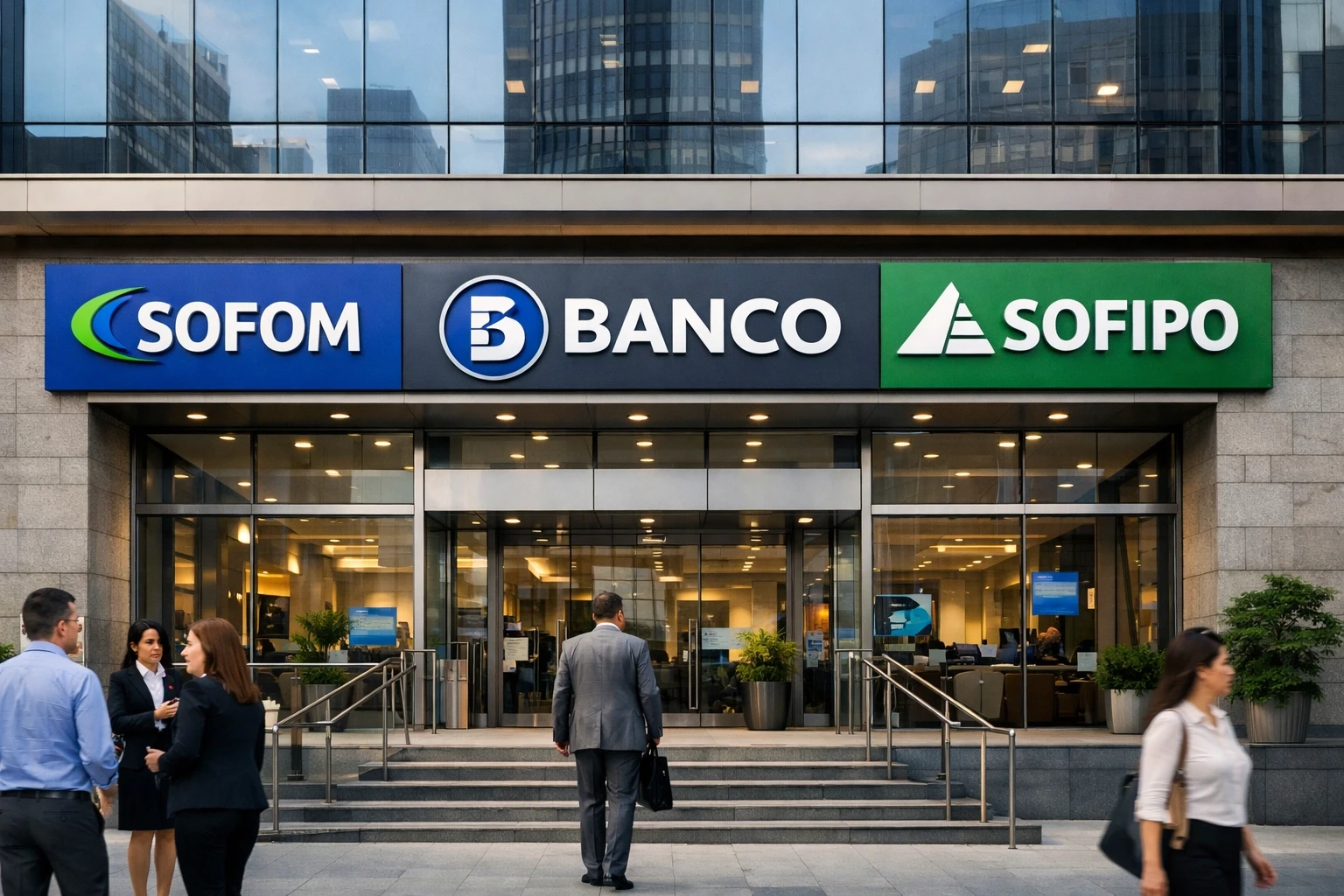
Factoring vs Credit: Which is better for you in 2025
Choosing the right financing is key to the sustainable growth of any business. Deciding between invoice factoring and credit can make a real difference in your cash flow and financial stability. Learn the advantages of each option and discover which is best for you in 2025.
Invoice factoring

Why is it important to choose your financing wisely?
Access to capital is essential for companies to maintain a stable cash flow and continue operating without setbacks. There are several financing options, but choosing the right one can make the difference between success and over-indebtedness.
In this article, we compare two key tools: invoice factoring and simple credit, so you can decide which best fits your business needs in 2025.
Invoice Factoring vs. Simple Credit: Main Differences
Both options allow you to get liquidity, but they work differently. Here’s how they operate and what advantages they bring.
1. Simple Credit: Traditional financing with fixed terms
Simple credit is a line of financing granted by banks or financial institutions. Its main feature is that it provides a sum of money with a predefined repayment term and interest rate.
Advantages of simple credit:
Generally lower interest rate.
Allows long-term project financing.
Viable option for large investments.
Disadvantages:
Fixed terms that can generate high long-term payments.
You pay interest on the full credit amount, even if you don’t use all the money.
Requires a solid credit history and collateral.
2. Invoice Factoring: Immediate liquidity without debt
Invoice factoring is a flexible alternative that lets you turn accounts receivable into immediate liquidity. Instead of waiting for customers to pay their invoices, a factoring company advances the amount and handles the collection.
Advantages of invoice factoring:
Liquidity in 24–72 hours.
Doesn’t generate debt on the balance sheet.
Interest is paid only on the amount used.
Flexible terms tailored to business needs.
Disadvantages:
The discount rate may be higher compared to a credit.
Depends on the credit quality of the company’s customers.
Comparison between Factoring and Simple Credit
To better understand which one is right for you, here’s a comparison table.
Feature | Invoice Factoring | Simple Credit |
|---|---|---|
Payment terms | Flexible, from 15 days | Fixed, from 36 months |
Impact on debt | No debt generated | Recorded as a liability |
Response time | 24–72 hours | Weeks or months |
Interest payment | Only on the amount used | On the total credit |
Requirements | Based on accounts receivable | Solid credit history |
Which is the best option for your business in 2025?
The best option depends on your business needs.
Choose simple credit if:
You want to finance long-term projects.
You can commit to fixed, long-term payments.
You have a strong credit history.
Choose invoice factoring if:
You need immediate liquidity to cover operating expenses.
You want to avoid taking on long-term debt.
You prefer flexibility in payment terms.
KredFeed: Digital and Agile Invoice Factoring
Taking advantage of the benefits of invoice factoring with KredFeed is easier than you imagine. You only need to meet three simple requirements:
Seniority: Have at least 1 year of operation registered with the SAT.
Invoicing: Have invoiced at least $500,000 MXN last year.
Type of taxpayer: Be a legal entity or individual with business activity.
If you’re looking for a fast and flexible solution, at KredFeed we offer 100% digital invoice factoring with response times under 72 hours.
No complicated paperwork.
Fast process powered by artificial intelligence.
Security and transparency in every transaction.
📩 Ready to get liquidity and grow your business? Contact our sales team here.
Conclusion
Both invoice factoring and simple credit are useful tools, but the choice depends on each company’s specific needs. While credit is ideal for long-term investments, factoring offers immediate liquidity without generating debt.
For 2025, the trend in business financing points to more agile and digital options. Which do you think fits your business best?